

SUPPORTING INSTITUTIONS

The Latvian Football Federation (LFF) represents Latvia’s national men’s and women’s football teams, youth, girls, indoor and beach football teams of all ages in international tournaments and test matches. The headquarters of LFF is located on the second floor of the “Rimi Olympic Center” football hall, Grostonas Street 6b, Riga. The LFF officially joined the International Association of Football Federations (FIFA) in 1922, but was excluded from it after the inclusion of Latvia in the USSR. Re-entry took place in 1992 after Latvia regained its independence. LFF was also included in the Union of European Football Federations (UEFA) in 1992.
Karlis Boitmanis (manager/researcher): with extensive experience in project management across various sectors, including environmental policy, youth advocacy, and sports administration, Karlis is a dedicated advocate for gender equality. Holding positions ranging from CEO to EU funding consultant, Karlis has demonstrated proficiency in strategic planning and stakeholder engagement. Armed with a Master’s Degree in Public Administration and certifications in football management, Karlis committed to advancing gender parity through innovative solutions.

MaFA – Lithuanian grassroots football association, under the umbrella of the Lithuanian football federation following the same principles, aims and vision. MaFA takes care of grassroots level football in the country, including education, participation and social inclusion topics.
Greta Valikonienė (project leader) – project manager at Lithuanian grassroots football association, mainly working with amateur girls and women’s football, school projects and education. For the last 5 years managing all european funded programs in our organization. Also, proffesional player of Lithuanian national womens team and top division club FK TransINVEST.
BFU – The Bulgarian Football Union is the governing body of association football in Bulgaria, and a member of UEFA since 1954. It organizes a football league, Bulgarian Parva Liga, and fields its Bulgaria national football team in UEFA and FIFA-authorised competitions.
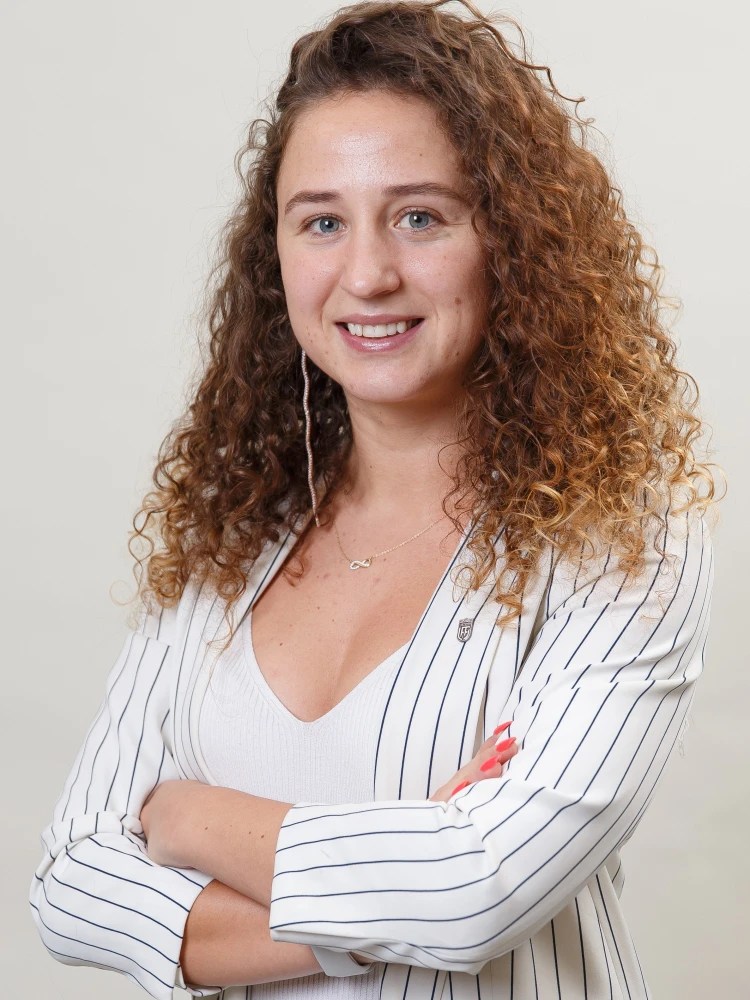
Sunny Debarska (project manager): Sunny is an established Programme Manager, with a multifaceted background in football management, hospitality and finance. Strongly focused in the organisation of football events, travels and logistics. The first Bulgarian female graduate of the UEFA CFM and DFLM Programmes. Awarded a BA (Hons) in Business Studies, Accounting and Finance by the University of Sheffield, Sunny is currently a Programme Manager in the Bulgarian Football Union (BFU), dealing with UEFA and FIFA incentive programmes. She is also acting as a Social & Environmental Sustainability Manager on behalf of the BFU, while also engaging with the successful implementation of Erasmus+ projects.
MLSZ – The Hungarian Football Federation (HFF) (Hungarian: Magyar Labdarúgó Szövetség; MLSZ) is the governing body of football in Hungary. It organizes the Hungarian league and the Hungary national team. It is based in Budapest.
Peter Benedek (project manager): currently, Peter is working for the Grassroots Department of the Hungarian Football Federation. His main responsibility is to cover disability football and football for socially disadvantaged population. His role also includes project management duties. Several activities (sports days, camps, cups) are carried out for children which provided Peter with valuable experience about childrens’ attitudes. Child safeguarding and education via and with football are also in the area of his interest. Football is his passion and he is committed to develop community through ’the beautiful game’.
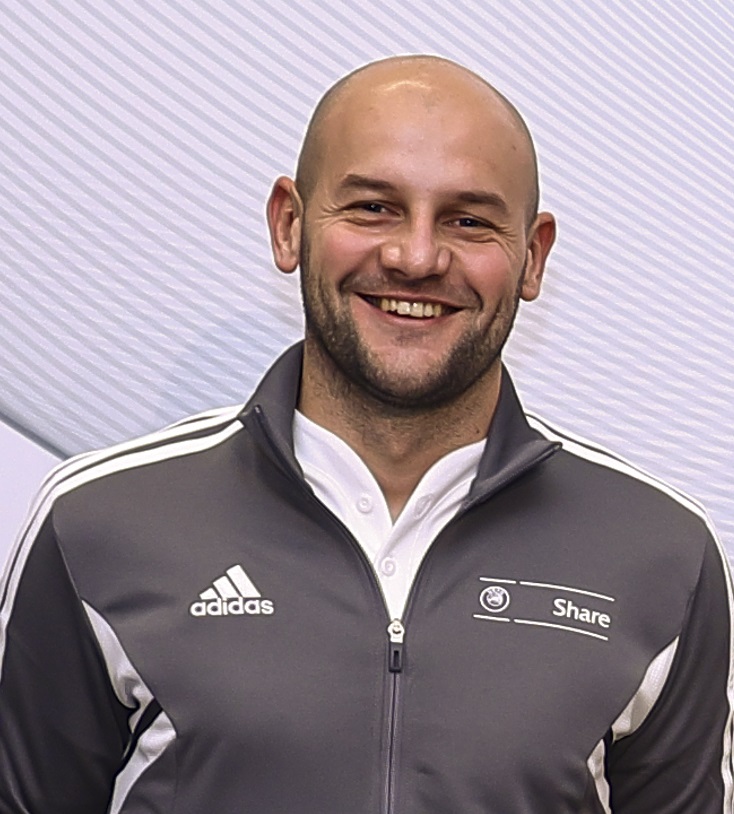
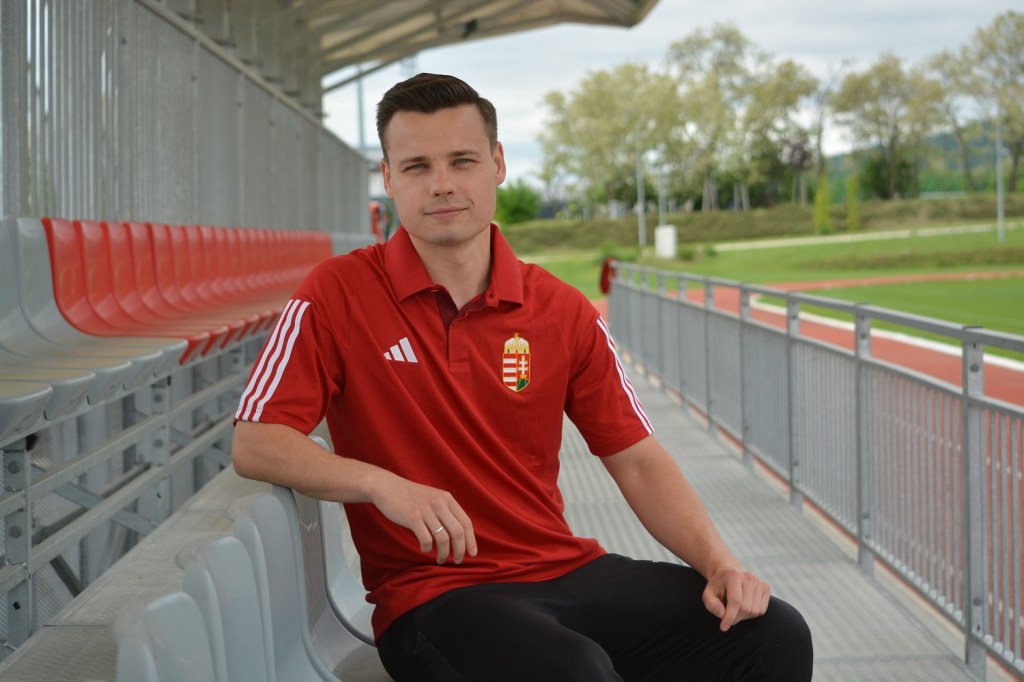
Zsombor Miletics: Zsombor is a Training Coordinator at the Coach Education Centrum of the Hungarian Football Federation. Main responsibilities in his job are participation in the planning, preparation and implementation of the Coach Education courses. His goal is to educate coaches about environmental and social challenges and issues and help them promote sustainability for children.
The University of Modena and Reggio Emilia (UNIMORE), founded in 1175, is among the oldest universities in the world and has always been ranked among the top Italian universities for quality of teaching and research. UNIMORE is composed of 14 Departments, 16 interdisciplinary research centres, 8 PhD schools, and has almost 1,500 personal and administrative staff as well as more than 25,000 students. It has more than 253 international exchange agreements and invests 1 million € for year in mobility programmes. The UNIMORE group involved in the Project will be CHIMOMO Department. UNIMORE will exploit its wide expertise in ERASMUS+ projects, also in the sport domain, in order to contribute to the achievement of the project’s goals. Unimore offers extensive academic knowledge and practical experience in addressing social injustice and promoting social inclusion, with a focus on gender equality. This expertise extends beyond theory, with years of practical experience in the field of education and active involvement in projects dedicated to the promotion of gender equality and women’s rights.
Loris Vezzali, PhD (manager/researcher): full Professor of Social Psychology at the University of Modena and Reggio Emilia. His main research interests deal with intergroup relations and prevention of intergroup violence. From January 2017 to December 2019 he has been National Coordinator of the Section of Social Psychology of the Italian Association of Psychology (after being Treasurer for the section from 2014 to 2016). He is currently Dean of the Degree Course in at the University of Modena and Reggio Emilia. He is Editor in Chief of the Journal of Community and Applied Social Psychology, and Associate Editor of Group Processes and Intergroup Relations. He has published on some of the most prestigious international journals in social psychology, mainly on the topics on how to promote social inclusion.

ForModena designs and implements training activities and services with the aim of promoting employment and the growth of professional skills of people, organizations and the Public Administration.
The areas of intervention of ForModena are: welfare policies: training courses for operators of social assistance structures, for people with disabilities, for new vulnerabilities and vulnerable groups on the labor market; initiatives and projects to accompany local welfare planning with particular attention to the professional development of women and the acquisition of STEM and STEAM skills.
training and services for transitions: collaboration with the school system in relation to the pathways for fulfilling the obligation, activation of training courses for training / work connection, management of alternation projects in high school, realization of services for work transitions of adults, occupied and unoccupied; skills for the production chains / districts to develop and consolidate distinctive know-how and competitiveness through training for work and on the job. ForModena provides specialized training expertise, a crucial resource of the project. This expertise encompasses various training formats, including face-to-face, online, and digital methods outlined in the project guidelines. One of the main objectives is to train and empower coaches to become influential educators, given their central role in the project’s communication activities and group initiatives.
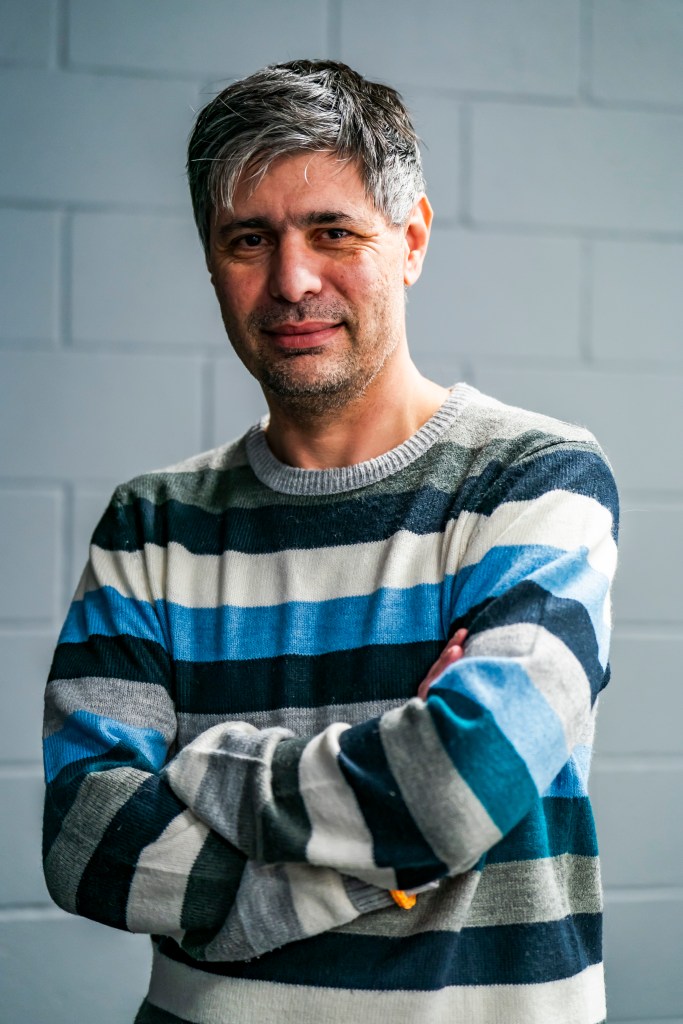
Francesca Malagoli (manager): general manager of ForModena, she has a long-standing expertise in developing communications strategies, coupled with EU Projects competence as dissemination and quality monitoring partners. Five years of experience as a project manager in a large refugee camp, expert in monitoring and project governance. She is also a national expert on gender equality, especially in the workplace sector.
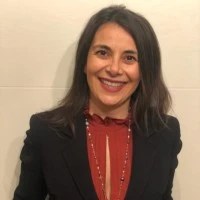
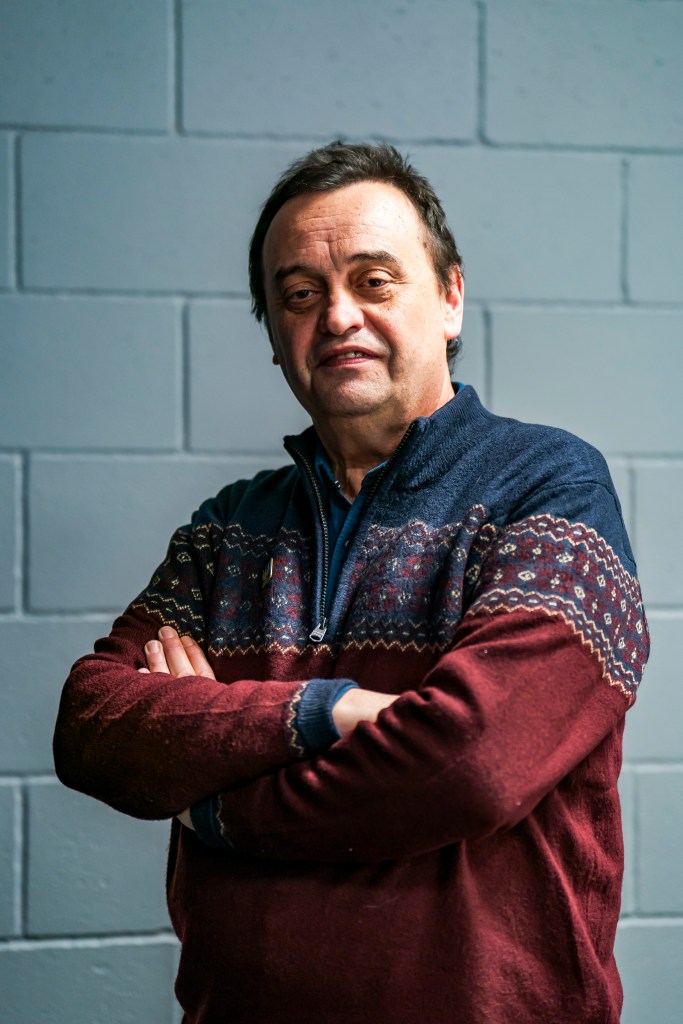
Giovanni Gobbi (project manager): Erasmus+ project coordinator on behalf of UNIMORE. Coordinator of transnational activities in several European Projects (Horizon, Equal, Leonardo, Grundtvig, Erasmus+). Designer for various organizations in Italy (Lombardy, Emilia Romagna, Siciliy, Piedmont, Abruzzo, Veneto, European Union). Lecturer: in several ESF courses in the following subjects: marketing, sales techniques, labor legislation in social enterprises. Speaker at various national and international conferences with issues relating to the social and professional inclusion of disabled people.
Alice Cavazzoli: collaborator of ForModena in the field of design and implementation of European projects.
Dragones de Lavapiés’ mission is to weave, through sport and competition, bonds of solidarity, respect and community, promoting dialogue between people from very different cultures, from all corners of the planet. With more than 50 different nationalities, divided into 21 teams with a total of more than 500 players. Its programs are based on integration, equality and respect through sport. It is a neighborhood initiative, launched by a group of mothers and fathers from the neighborhood, so that Lavapiés ambassadors would have its own soccer club, an existing and palpable demand among our boys and girls. At the same time, Dragones de Lavapiés tried to promote a grassroots sports project that would adapt to the characteristics of our multicultural environment, that would be participatory and open, that families would feel like their own space and that would offer good sports training, outside of the exacerbated competitiveness so common in grassroots football that prevails in its city and the unaffordable high prices for a large part of the neighborhood. For more than 10 years Dragones de Lavapiés has worked for integrity, equality, the fight against the cluster and respect in sport. Entering Common Goal and Fare Network, participating in campaigns with Adidas, the State, among many others. Dragones de Lavapiés was also awarded by the CSD in 2023.
 FUTURE: Football Used as a Tool to edUcate childRen on sustainablE behaviours